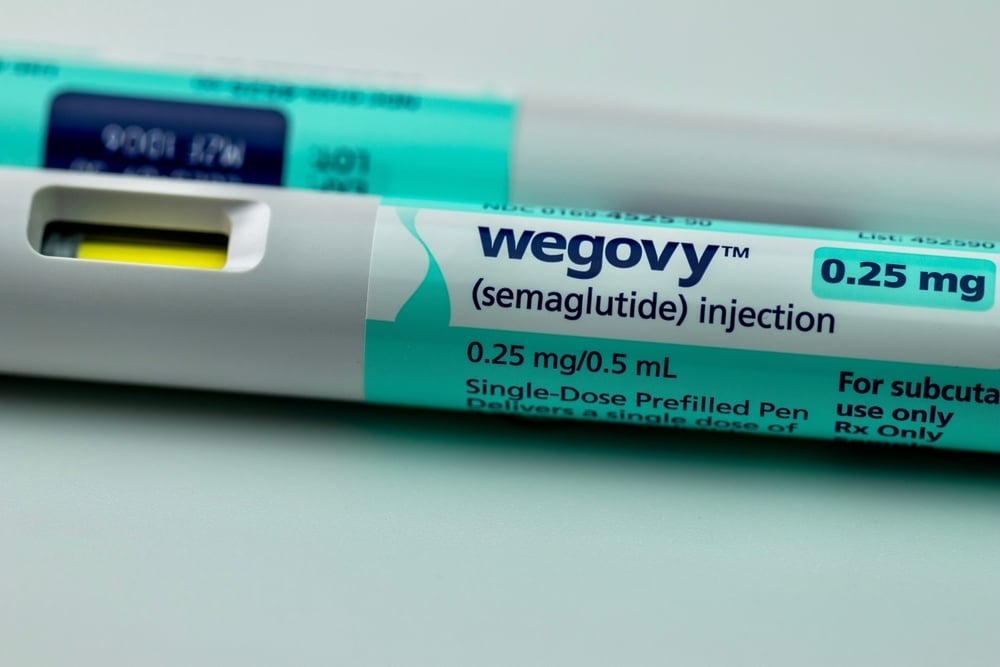
Big pharma is currently facing a potential “bubble effect” due to the surging demand for weight loss and diabetes drugs, as revealed in a report by Deloitte released on Monday.
Drugs such as Novo Nordisk‘s (NYSE:NVO) Wegovy and Eli Lilly’s (NYSE:LLY) Zepbound have driven research and development returns to their highest levels in years, concealing the stress experienced by the remaining sector.
The report discloses that R&D returns for the top 20 global pharma companies have increased for the third year in a row to 7%, largely due to high-forecast assets like glucagon-like peptide receptor agonists (GLP-1s).
For the first time in 16 years, Obesity drugs now drive 25% of late-stage pipeline sales forecasts, up from 1% in 2022, surpassing oncology at 20%. This shift heightens companies’ susceptibility to therapeutic-area-specific shocks.
“It is a bubble, because so much is concentrated,” Hanno Ronte, Life Sciences and Healthcare Partner at Deloitte, told CNBC.
Obesity and diabetes drugs are expected to drive about 38% of projected commercial inflows from the 2025 late-stage pipeline. Excluding GLP-1/GIP therapies, the industry’s return rate drops sharply to 2.9%, down from 3.8% in 2024.
Ronte said the sector is still benefiting from strong momentum, which is driving investment interest, but noted that increased competition is limiting opportunities.
“The question is, do you just double down on that – that’s the bubble – or do you actually say ‘we’re going to try and find the next scientific wave’?” Ronte said.
GLP-1 Drugs Fuel Pharma Growth
Companies like Eli Lilly have capitalized on this trend, with their revenue soaring 56% year-over-year to $19.8 billion during its first-quarter 2026, driven primarily by the astronomical volume demand for its metabolic and weight-management medications. The diabetes drug Mounjaro and the obesity treatment Zepbound brought in nearly $8.7 billion and $4.2 billion, respectively, reflecting the consumers’ ongoing “love affair” with GLP-1 drugs.
Similarly, Novo Nordisk has been making strides in this sector, with its phase 3a study of oral semaglutide showing promising results in reducing blood sugar levels in young patients. The treatment showed consistent safety with past semaglutide trials, supporting tolerability. Novo Nordisk plans U.S. and EU label expansion filings later this year.
Meanwhile, Kroger Co. (NYSE:KR) has planned to expand weight management services at Harris Teeter pharmacies, adding GLP-1 drugs and nutrition support to boost access and align with rising demand.
Image via Shutterstock